In the creative field, we often hear this question: "Can it be faster, cheaper, and still high quality?" It might sound simple, but for designers, this question cuts to the core of an impossible equation. The truth is, design—like product development—operates within a triangle of quality, quantity, and time. And you can only pick two.

Do you want something top-notch and delivered quickly? Then don’t expect to get a lot of it, and it won’t be cheap either. Or do you want a large volume of high-quality work? Then you’ll need to allow for more time and budget. Simply put, you can’t have everything at once.
Yet, this reality often gets overlooked, especially with the rise of technology like AI. It’s tempting to believe that everything can now be faster and cheaper without compromise, but that’s far from true.
AI has transformed the creative industry. Tasks that once took hours can now produce impressive results in minutes. However, as useful as this technology is, it has its limits. What AI generates is often a starting point, not a finished product. The finesse, the nuance, and the customization still come from the designer.
Unfortunately, I often hear remarks like: “But my designer can do it all!” If that’s the case, there are usually two explanations:
As a client, employer, or collaborator, it’s essential to understand this balance. Creativity isn’t an endless resource that can be drained without replenishment. If you want to work long-term with a designer who delivers great results, setting realistic expectations is key:
AI can be an incredible tool, but it’s not a replacement for human creativity. It helps us lay the foundation faster, but the real work—creating something that resonates, inspires, and works—remains human.
If we continue to set realistic expectations and respect the creative process, AI can help us get the best of both worlds: efficiency and quality. But let’s not forget that designers have limits too.
So next time you want something fast and top-quality, think twice. What truly matters, and what are you willing to compromise? Making that choice not only improves the work but also strengthens the collaboration.
In a world where trends come and go, it can be tempting to base a brand identity on what’s currently popular. Take the minimalization of logos, for example, a trend that we’ve seen rise over the last few years. But how can you ensure your design doesn’t quickly become outdated? And how do you identify which trends will stick and which won’t?
Trends are great for giving a brand a modern feel, but they can also pose a risk. Imagine creating a futuristic logo in the 2000s with metallic and glass effects. Now, it feels more retro than relevant. The same can happen if you rely entirely on a current trend without thinking long term.
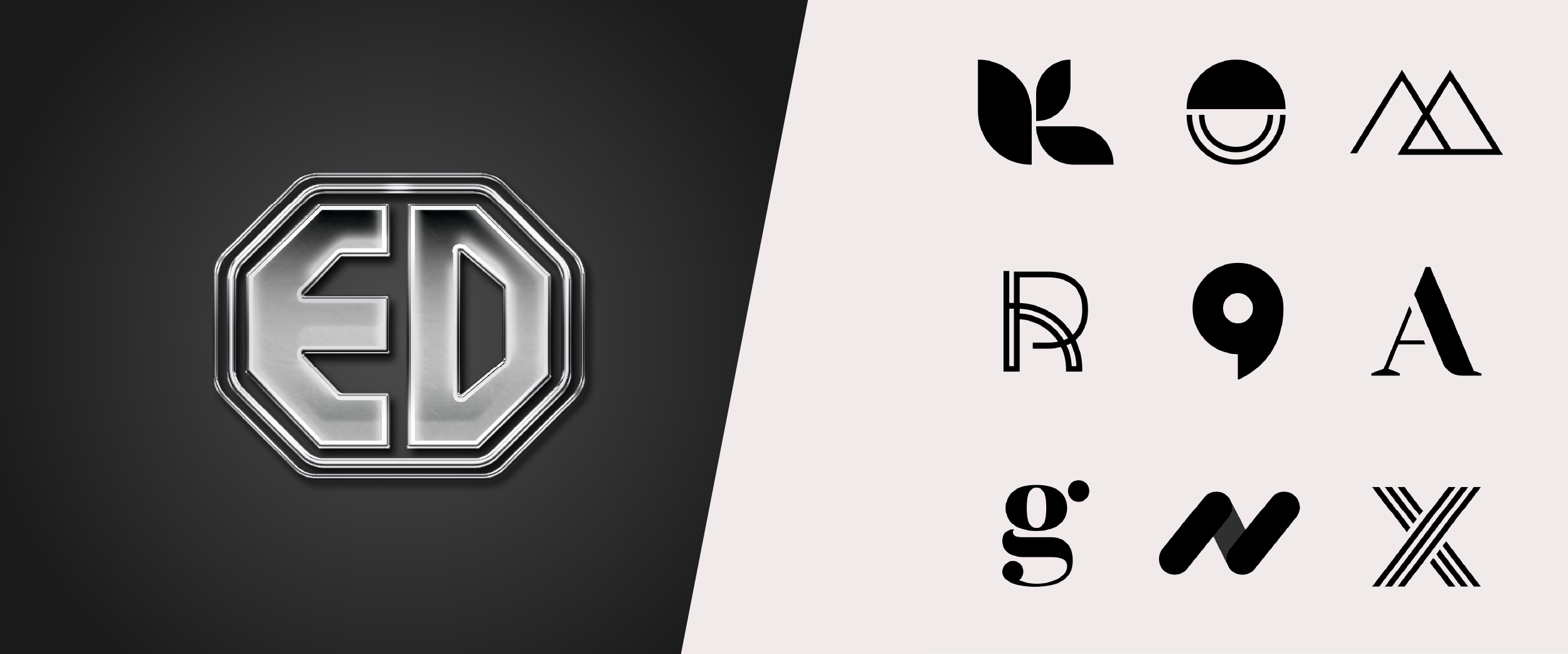
One way to determine whether a trend will last is to look at the brand’s values and goals and the user experience. Minimalism, for example, is a trend that’s not only aesthetically pleasing but also functional. A simple and clear logo is often more readable and scalable, making it accessible to a wider audience and adaptable to different platforms. Because of its practicality, this trend is more likely to endure.
A trend like minimizing logos goes beyond just aesthetics. It ensures that brands are more accessible to a broader audience, including people with visual impairments. This makes it a valuable choice for the long term.
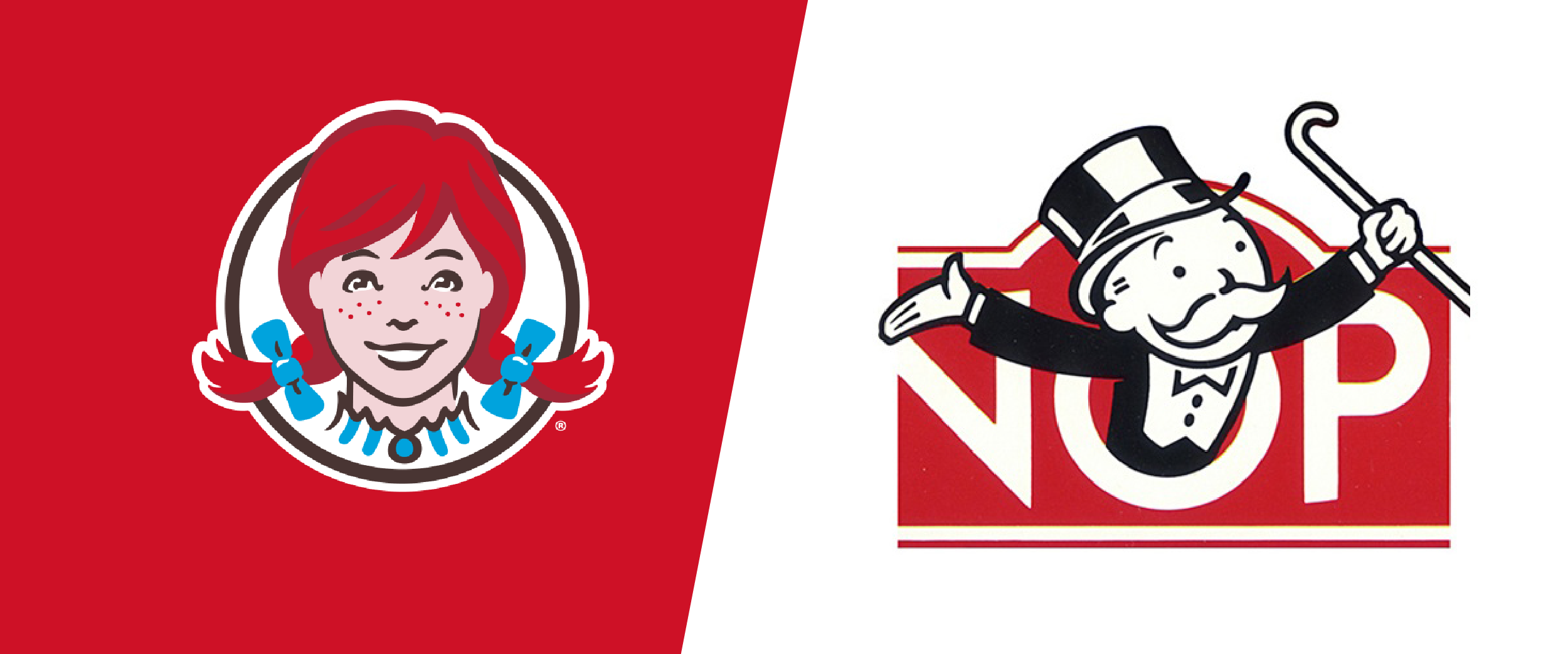
While minimalism is popular, a mascot logo can also be a powerful choice depending on the brand’s values. A mascot brings personality and memorability, which can be ideal for brands that want to convey a fun or warm image. Think of companies like Wendy’s or Monopoly. With Monopoly, there's even a whole Mandela conspiracy surrounding the logo! I’m team monocle, by the way!
When designing a brand identity, it’s crucial to view trends as tools rather than goals. Ask yourself:
An effective brand identity combines timeless elements with subtle influences from trends. This could mean choosing a minimalist logo paired with a trendy color palette or a classic design enhanced by modern typography.
Creating a brand identity requires more than just following trends. It’s about a strategic approach where the brand’s values, target audience, and user experience are central. Trends can be an inspiration, but timelessness is key to long-term success.